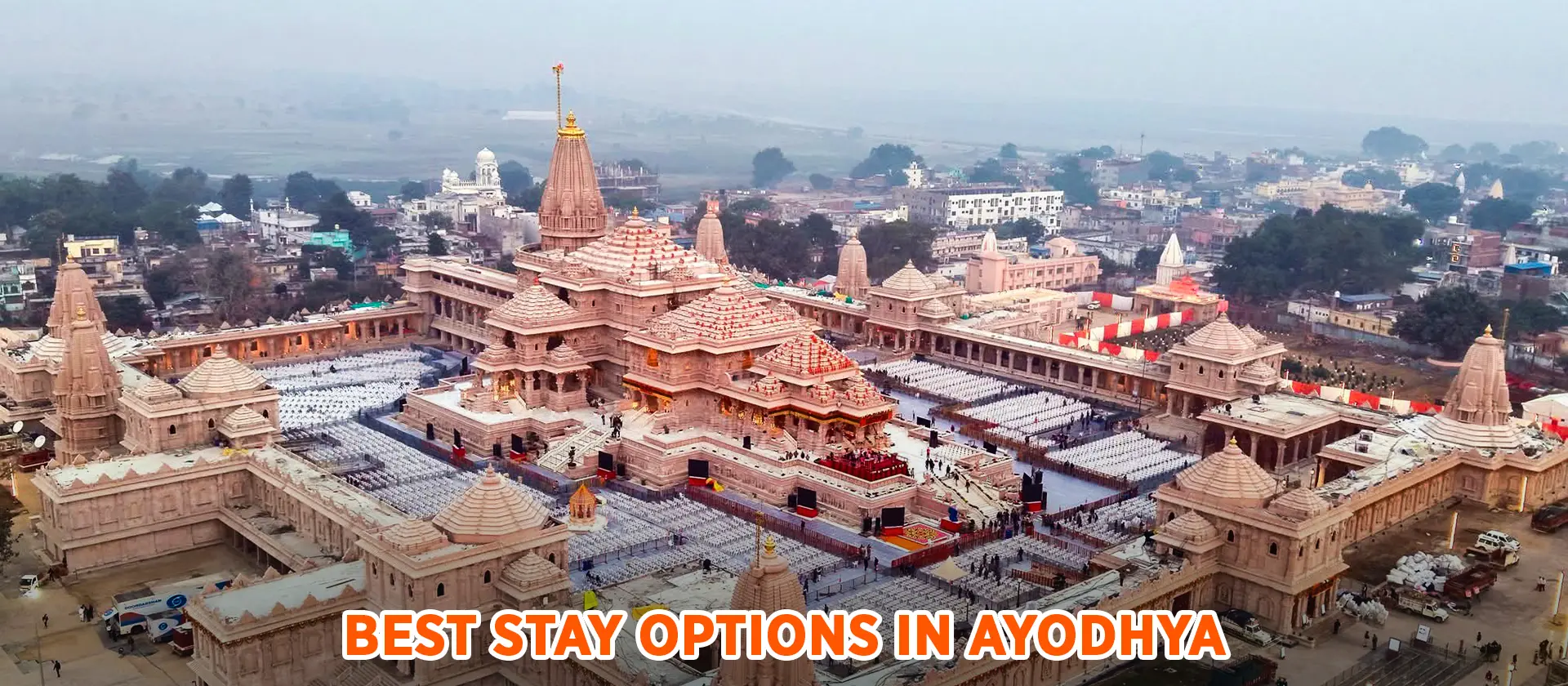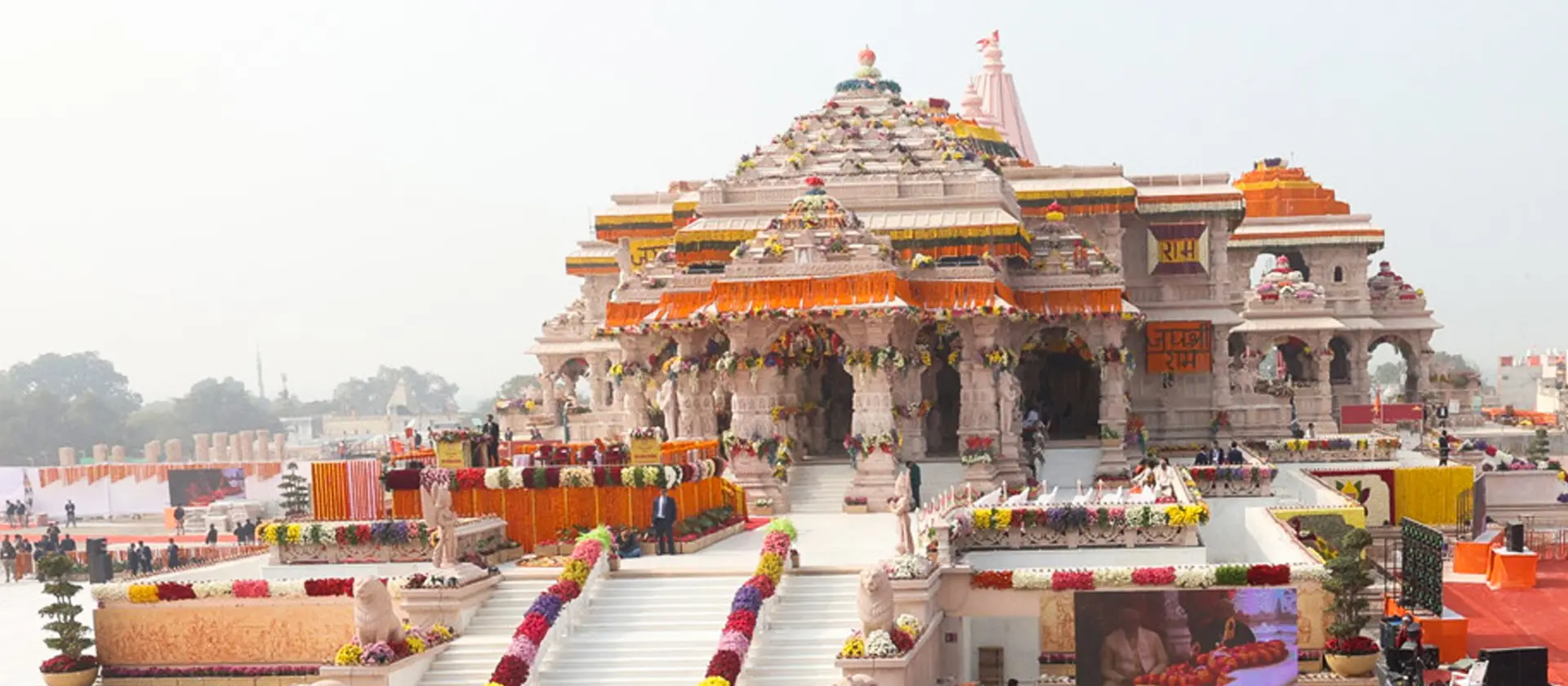
Shri Ram Mandir in Ayodhya is not just a temple; it is a symbol of faith, devotion, and cultural heritage for millions of Hindus worldwide. Built at the sacred site believed to be the birthplace of Shri Ram, Ayodhya Ram Janmabhoomi temple has drawn devotees and tourists alike for centuries. With its deep spiritual roots, magnificent architecture, and immense historical importance, the temple is today one of the most revered pilgrimage destinations in India.
History of Ram Mandir
Mythological Significance
Ayodhya, revered as the birthplace of Shri Ram, has been mentioned in ancient scriptures like the Ramayana. For devotees, visiting Shri Ram Janmabhoomi is a journey back to the divine era of Shri Ram’s life. The site has remained a focal point of devotion for thousands of years. In addition to Shri Ram Mandir, Ayodhya offers many sacred sites and cultural landmarks that make it a spiritually enriching place to visit.
Timeline of Temple Construction
The temple’s journey to completion is equally historic. In November 2019, the Supreme Court of India delivered its landmark verdict, paving the way for the construction of Shri Ram Mandir at the Ram Janmabhoomi site. Following this, the Bhoomi Pujan (ground-breaking ceremony) was held on August 5, 2020, attended by Prime Minister Narendra Modi and several dignitaries. The project was planned in multiple phases, ensuring both grandeur and traditional authenticity in its development.
Role of Organizations and Key Personalities
Shri Ram Janmabhoomi Teerth Kshetra Trust has been at the forefront of the temple’s construction. Renowned architects, engineers, and artisans have come together to design and build what is regarded as one of the largest Hindu temples in India.
Architectural Grandeur of Ram Mandir
Design, Size, and Structure
The temple stands as an outstanding example of traditional Nagara-style architecture. Spread across nearly 2.7 acres, the structure features intricately carved pillars, majestic domes, and a towering shikhara that reflects India’s ancient temple-building legacy.
Materials and Craftsmanship
Pink sandstone from Rajasthan has been used extensively, ensuring durability and elegance. The use of traditional techniques, without modern steel or cement in core structural elements, symbolizes authenticity and devotion.
Interesting Facts
- The temple is expected to be one of the largest in India once fully completed.
- Nearly 360 pillars are adorned with sculptures depicting episodes from the Ramayana.
- The sanctum sanctorum houses the idol of Shri Ram Lalla, attracting hundreds of thousands of devotees every day.
Shri Ram Mandir Darshan Timings & Entry Guidelines
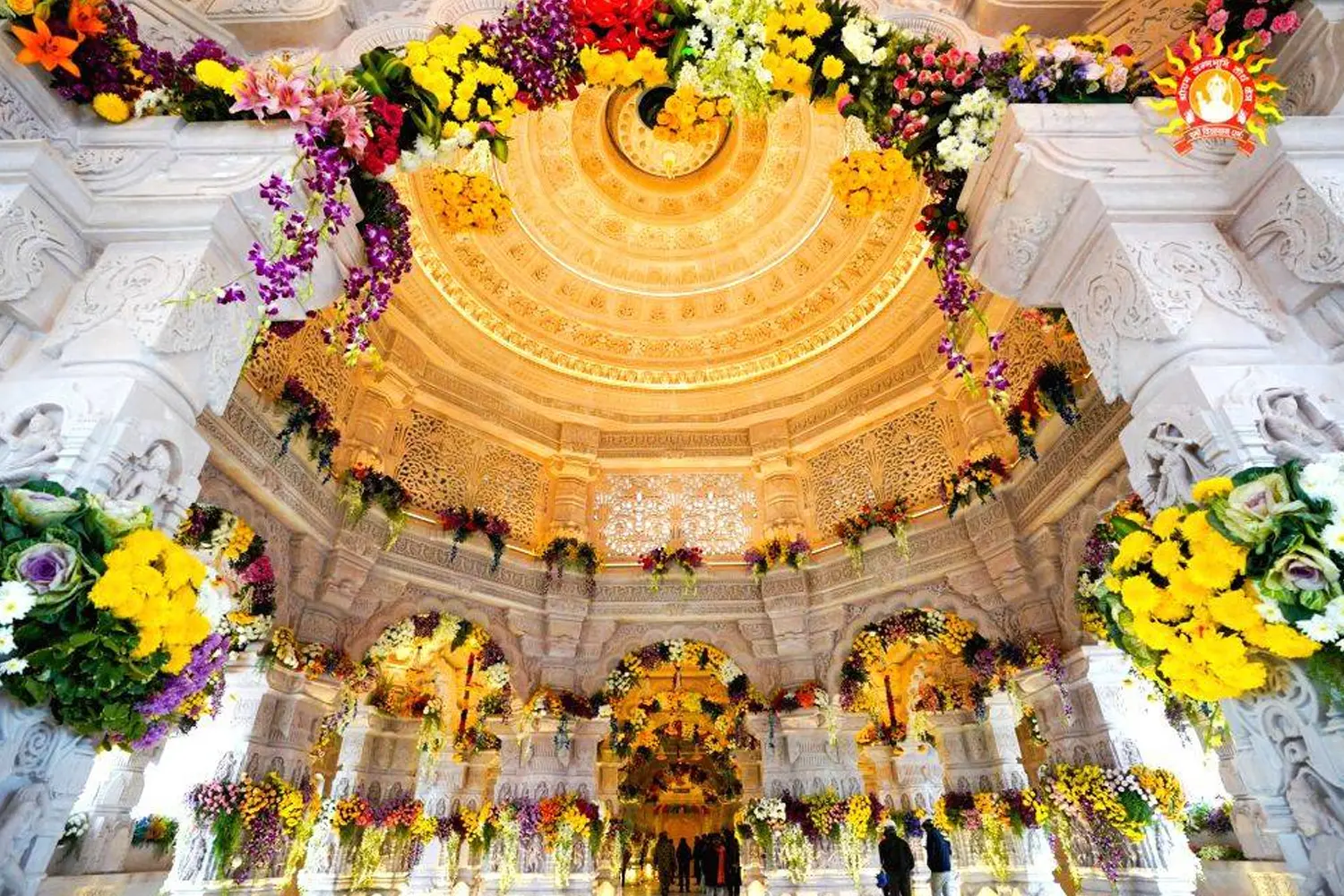
- Darshan Timings: Typically, darshan is open from early morning (around 7 AM) until late evening (around 8 PM). Daily aartis mark the most auspicious times.
- Entry Guidelines: There is no entry fee. Visitors must adhere to security checks and follow modest dress codes suitable for temple visits.
- Best Time to Visit: Festivals such as Ram Navami, Diwali, and Makar Sankranti bring vibrant celebrations, but weekdays offer a quieter and more serene darshan experience.
How to Reach Shri Ram Mandir Ayodhya
- By Air: The nearest airport is Maharishi Valmiki International Airport in Ayodhya, with regular flights from major Indian cities. Lucknow Airport is also a convenient option.
- By Rail: Ayodhya Junction and Ayodhya Cantt Railway Station connect the city to various parts of India.
- By Road: Ayodhya is well-linked by highways and state transport buses. Private cabs and taxis are also easily available.
- Local Transport: For getting around locally, auto-rickshaws, e-rickshaws, and cycle rickshaws offer an easy and accessible means of transport.
Nearby Attractions in Ayodhya
Hanuman Garhi: A hilltop temple in Ayodhya, dedicated to Hanuman and attracts thousands of devotees. Its fortress-like structure offers both spiritual significance and panoramic city views.
Kanak Bhavan: Known as the palace gifted to Mata Sita by Queen Kaikeyi, it houses idols of Shri Ram and Mata Sita adorned in gold.
Sita Ki Rasoi: A symbolic kitchen shrine believed to be used by Mata Sita.
Nageshwarnath Temple: An ancient Lord Shiva temple said to have been established by Kush, son of Shri Ram.
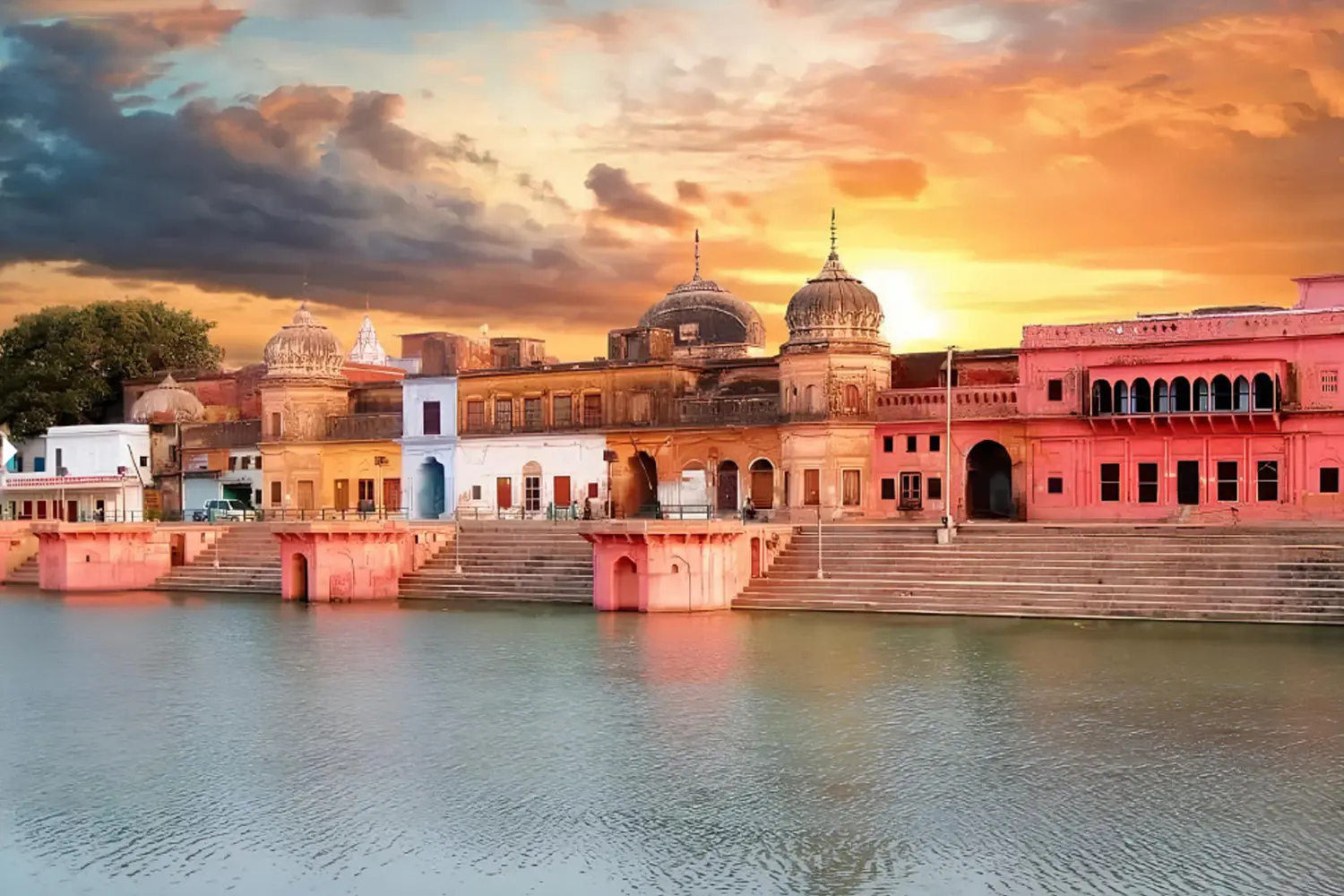
Sarayu River Ghats: Evening aartis at the ghats of River Sarayu create a mesmerizing spiritual experience.
Accommodation & Food Options
- Best Hotels in Ayodhya near Shri Ram Mandir: From luxury hotels to budget stays, travelers can choose from options such as Ramayana Hotel, Taraji Resort, and other dharmashalas for pilgrims.
- Accommodation in Ayodhya: Pilgrims also prefer traditional dharmashalas and guest houses near the temple for affordability and convenience.
- Food Options: Ayodhya offers a delightful mix of vegetarian delicacies like kachoris, jalebis, and lassi. Small eateries and traditional thalis are a must-try for an authentic local experience.
Travel Tips & Guidelines
- Carry a valid ID proof for hotel check-ins and temple entry if required.
- Dress modestly and comfortably to respect temple traditions.
- Pack essentials like water bottles, sunscreen, and medicines.
- Photography inside the temple premises may be restricted and follow the rules carefully.
- Arrive early during peak seasons to avoid long queues.
Visiting Shri Ram Mandir in Ayodhya is not just about exploring history and architecture, it is a spiritual journey that connects devotees to the divine legacy of Shri Ram. With its rich heritage, intricate temple design, and serene spiritual atmosphere, Shri Ayodhya Ram Janmabhoomi is an experience of a lifetime. Whether you are a pilgrim or a history enthusiast, planning a trip to Shri Ram Mandir ensures memories filled with devotion, culture, and peace.
Frequently Asked Questions (FAQs)
Shri Ram Mandir is located in Ayodhya, Uttar Pradesh, at the sacred Shri Ram Janmabhoomi, believed to be the birthplace of Shri Ram.
Shri Ram Mandir is famous for its religious significance, historical importance, and grand Nagara-style architecture, making it one of India’s most revered pilgrimage sites.
Shri Ram Mandir darshan timings are generally from 7:00 AM to 8:00 PM, with special aartis conducted during the day.
No, entry to Ram Mandir Ayodhya is free for all devotees.
The temple is built mainly using pink sandstone from Rajasthan, without steel or cement in its core structure.
You can reach Shri Ram Mandir, Ayodhya by:
- By Air: Maharishi Valmiki International Airport, Ayodhya
- By Train: Ayodhya Junction & Ayodhya Cantt
- By Road: Well-connected by highways and buses
Photography is restricted inside the temple premises and visitors must follow the guidelines displayed.
Nearby attractions include Hanuman Garhi, Kanak Bhavan, Sita Ki Rasoi, Nageshwarnath Temple, and Sarayu River Ghats.
Yes, hotels, guest houses, and dharmashalas are easily available near Shri Ram Mandir for pilgrims and tourists.
Visitors are advised to wear modest and traditional clothing while visiting Ram Mandir.