

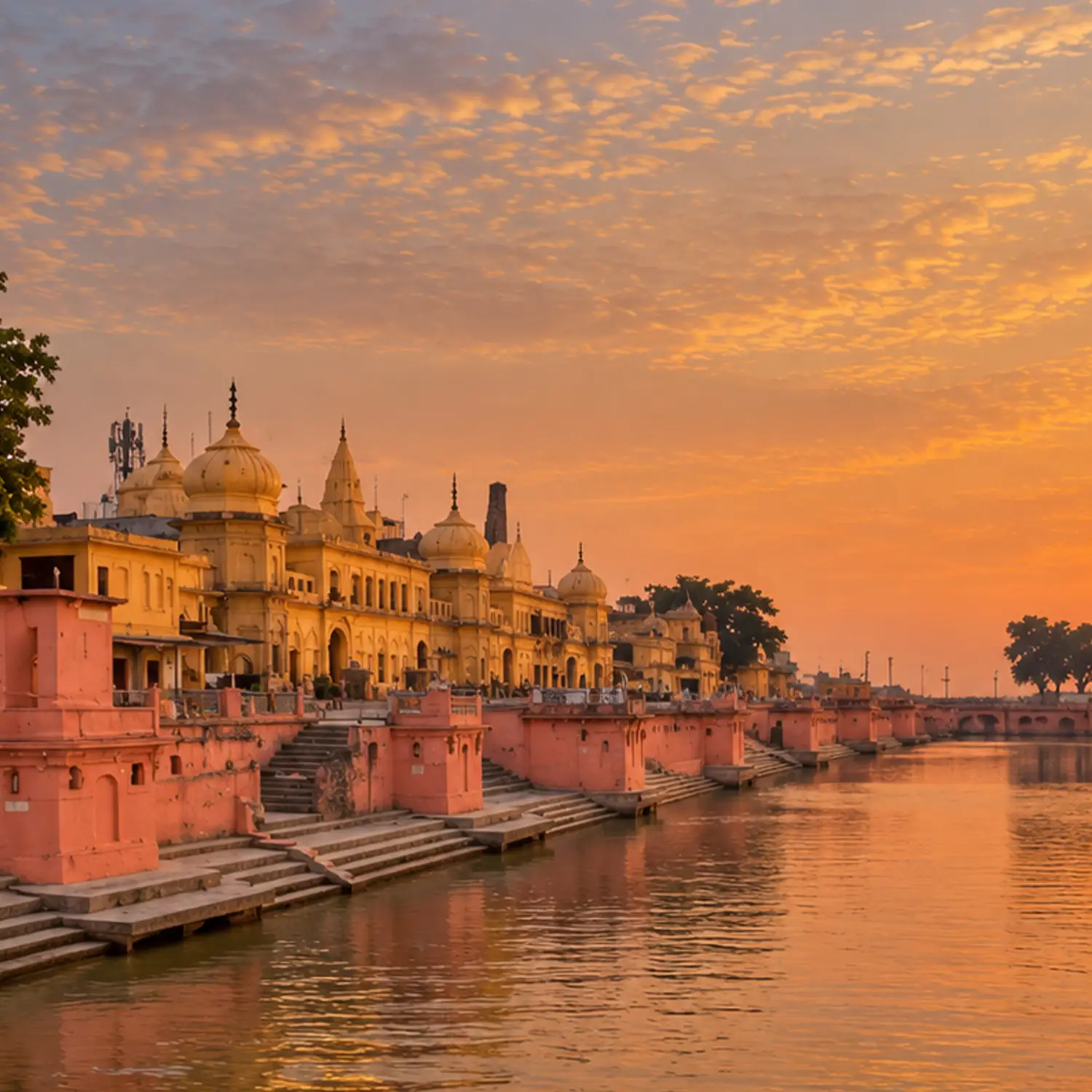
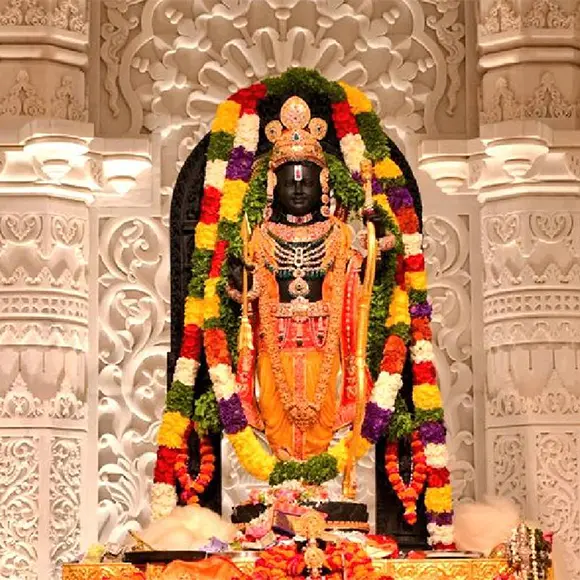
Shri Ram Janmabhoomi Mandir
The heart of Ayodhya, this grand temple stands at the sacred birthplace of Shri Ram. A symbol of faith, devotion, and divine heritage, it is a place where silence feels like prayer.
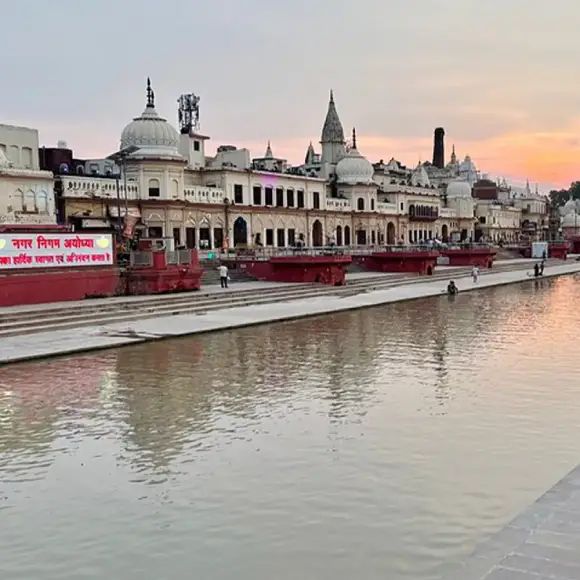
Ram Ki Paidi
Echoing the spiritual energy of Har Ki Paudi in Haridwar, Ram Ki Paidi is a sacred series of ghats along the Saryu. It is where pilgrims gather to offer prayers, bathe in the holy river, and feel the pulse of Ayodhya’s living devotion.
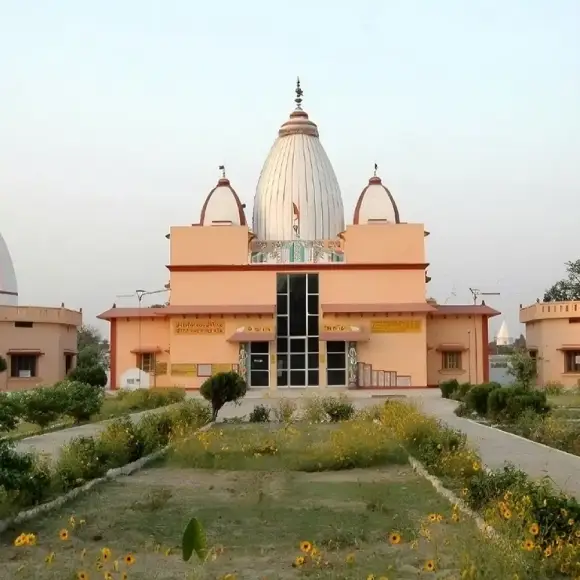
Shri Rishabdev Digambar Jain Mandir
A quiet sanctuary dedicated to Shri Rishabdev, the first Tirthankara. Rooted in simplicity and silence, the temple reflects the timeless Jain path of peace, purity, and spiritual discipline.
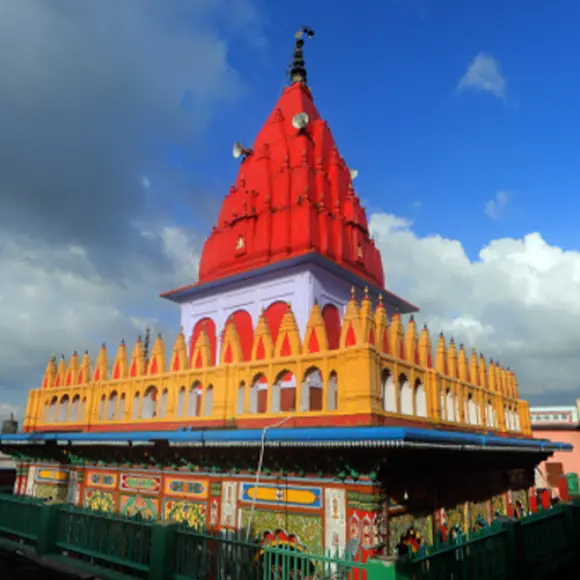
Hanuman Garhi
Perched high above the city, this revered temple dedicated to Lord Hanuman invites strength, protection, and unwavering devotion.
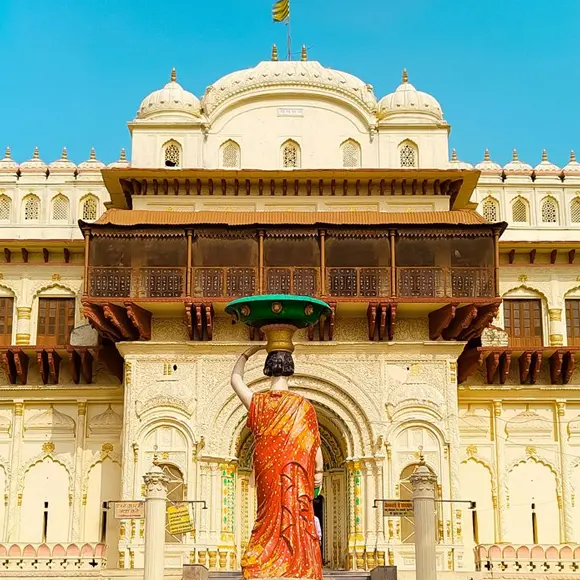
Kanak Bhawan
A divine palace gifted to Sita by Kaikeyi, this temple radiates joy and love in every detail. The idols of Ram and Sita reside here in royal grace.

Dashrath Mahal
Once the residence of King Dashrath, father of Shri Ram, this historic palace holds echoes of the Ramayana’s most cherished chapters.
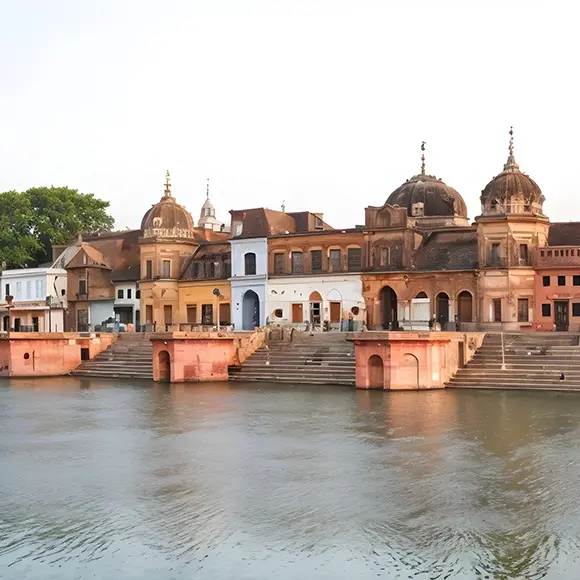
Saryu Ghat
Along the tranquil banks of the Saryu River, evening aarti fills the air with hymns, light, and quiet reverence. A place where time gently pauses.

Treta Ke Thakur Temple
Myth and devotion meet at these sacred sites, each carrying fragments of Ram’s journey, his penance, his prayers, and his silent promises.
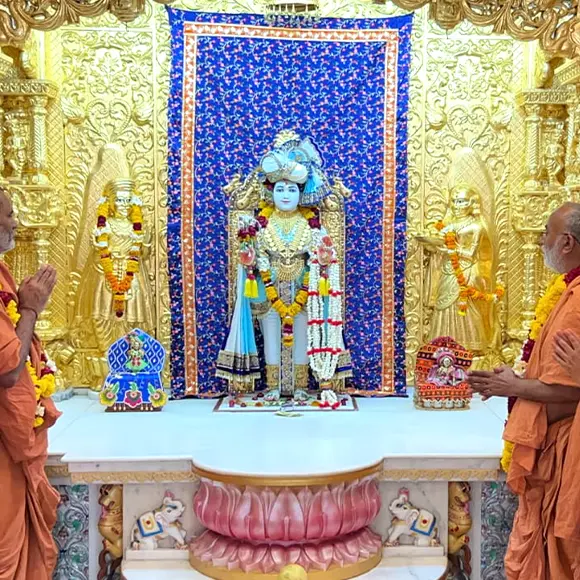
Chhapaiya
A short journey away lies Chhapaiya, the birthplace of Lord Swaminarayan. Peaceful and pure, it is a place of spiritual reflection and serene simplicity.
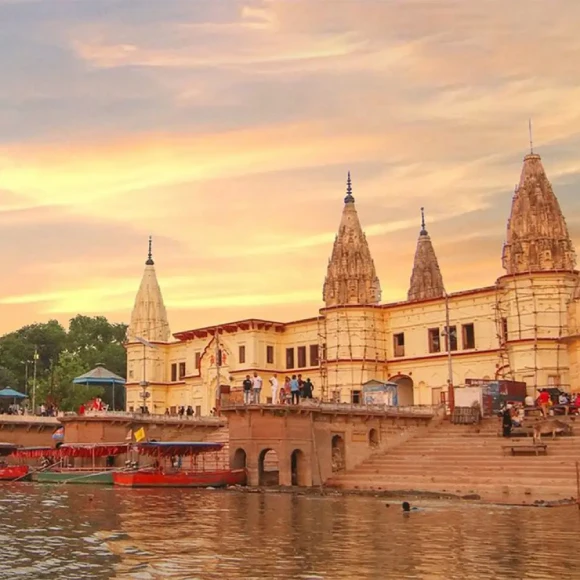
Guptar Ghat
This quiet ghat holds deep spiritual significance, believed to be the site where Shri Ram took Jal Samadhi. Surrounded by age-old trees and gentle waters, it is a place for silent reflection and reverence.
FAQs
What is Ayodhya and why is it significant?
Ayodhya is one of the most ancient cities of India and among the holiest sites in Hinduism, revered as the birthplace of Shri Ram. Set on the banks of the sacred Sarayu river, it is home to the Shri Ram Janmabhoomi Mandir along with many temples and ghats that make it the spiritual heart of India. See the places to visit in Ayodhya.
What does the name Ayodhya mean?
The name Ayodhya comes from Sanskrit and means the invincible or that which cannot be conquered, from a-yodhya, meaning not to be fought. The name reflects the standing of the city as an ancient seat of dharma and righteous rule.
Why is Ayodhya considered a spiritual destination?
The spiritual life of Ayodhya flows through its temples, its ghats and the sacred Sarayu river, where daily aartis and rituals have continued for centuries. Pilgrims come for landmarks such as the Shri Ram Janmabhoomi Mandir, Hanuman Garhi, Kanak Bhawan and Ram ki Paidi. Evoke Rambagh, Ayodhya offers a luxury base just 3 km from the Ram Mandir. Explore where to stay.