When you stand before the Ram Mandir, what moves you first is not just devotion, it is awe. The scale, the symmetry, the calm power of stone, and the thousands of stories carved into its surfaces together create a temple that speaks without words. The ram mandir ayodhya architecture is not merely about construction; it is about memory, meaning, and mastery.
Located in Ayodhya, the Ram Mandir is a landmark where art, faith, and engineering come together. This article takes you beyond the spiritual significance and into the artistry, exploring the architecture of ram mandir ayodhya, its sculptural language, materials, and the experience it offers to every visitor.
Architectural Overview of Ram Mandir Ayodhya
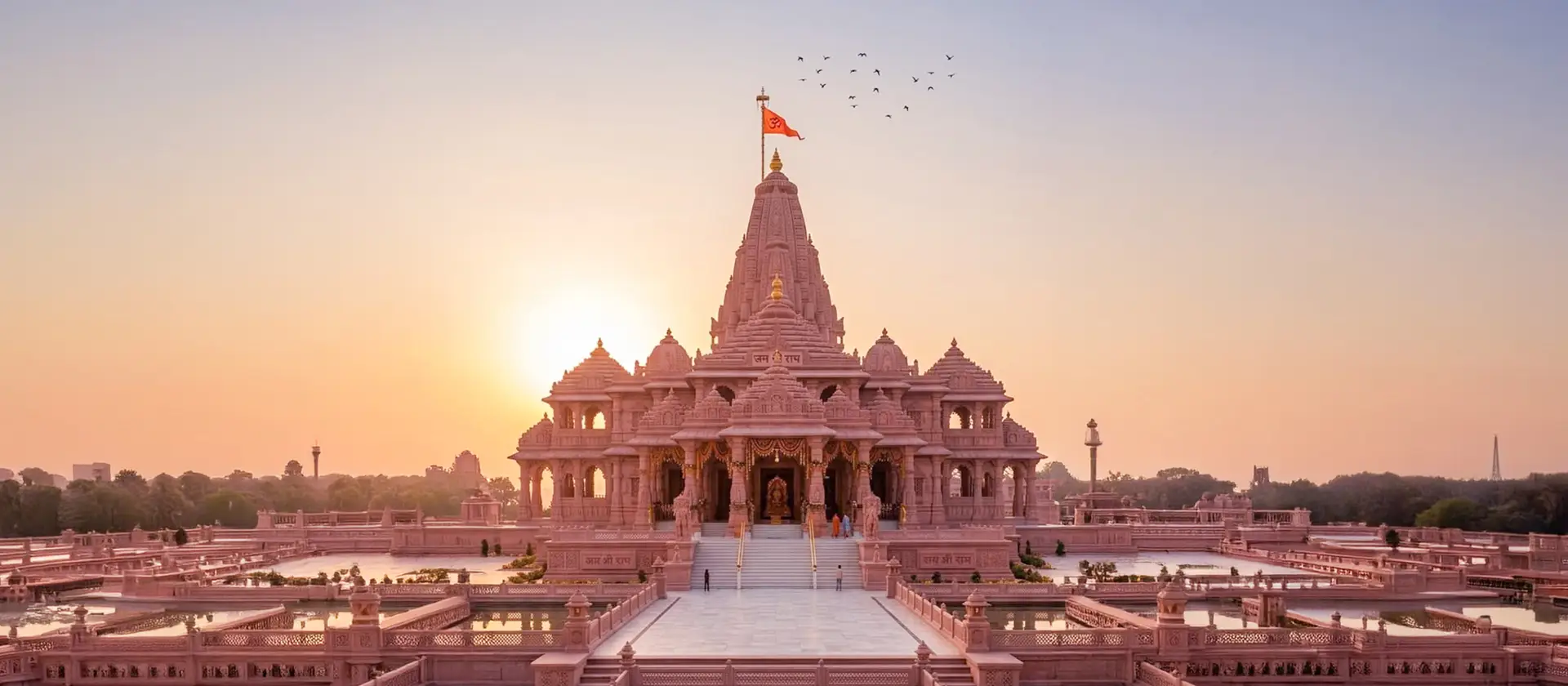
The ram mandir ayodhya design follows the principles of ancient Indian temple architecture, carefully adapted for the modern era. Built with traditional guidelines in mind, the temple reflects balance, geometry, and sacred proportion.
The layout follows a classical temple plan, with a raised platform, grand mandapas (pillared halls), and a soaring shikhara (spire). Every part of the structure aligns with vastu principles, ensuring harmony between the temple, the land, and the cosmos.
What sets the architecture of ram mandir ayodhya apart is its commitment to authenticity. The design avoids shortcuts or modern visual gimmicks. Instead, it relies on time-tested forms that have defined Indian sacred architecture for centuries.
Sculptural Brilliance: Carvings and Artistry
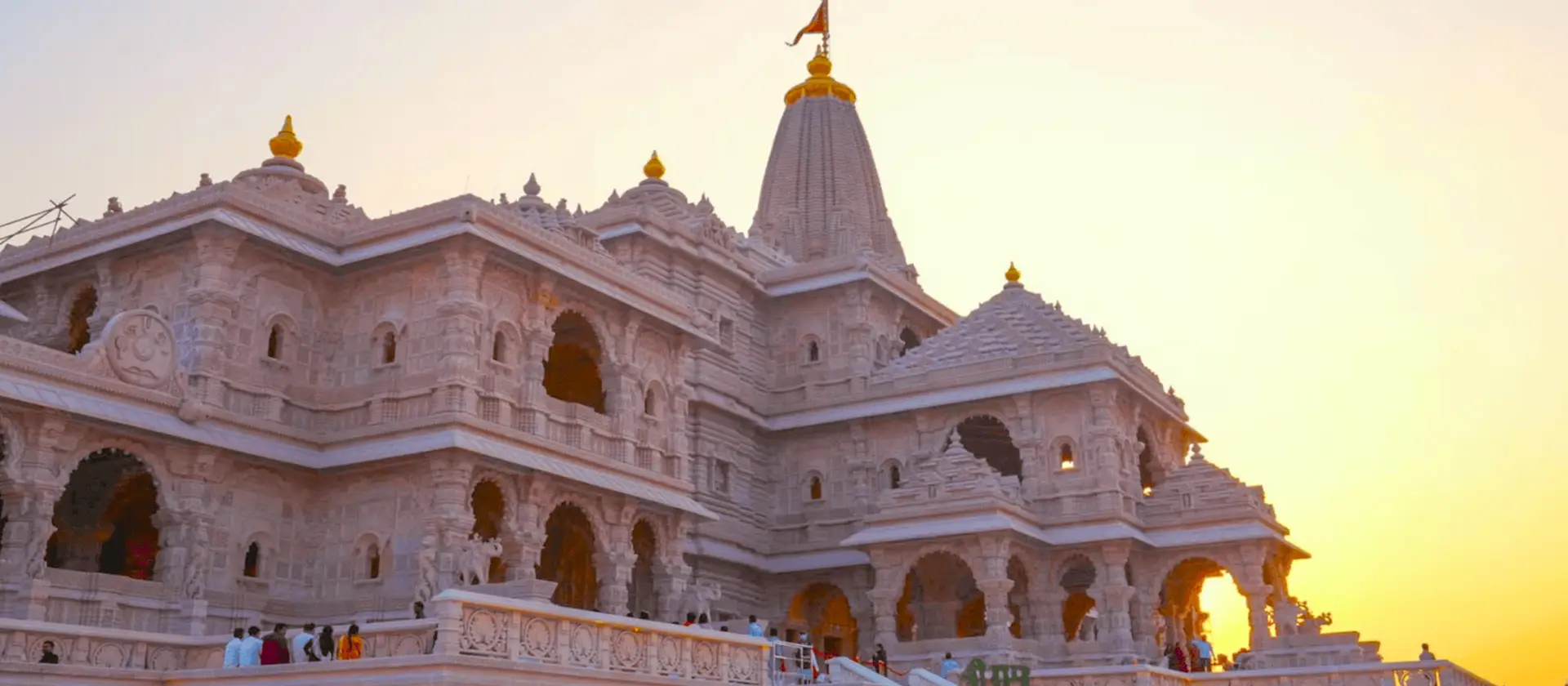
The true soul of the Ram Mandir lies in its carvings. Every pillar, panel, and wall carries sculpted narratives drawn from Indian epics and spiritual symbolism. This sculptural depth transforms stone into storytelling.
Intricate figures of gods, sages, dancers, animals, and floral patterns flow across the temple surfaces. These carvings are not decorative fillers; they are deliberate expressions of devotion and philosophy. Each figure follows strict iconographic rules, ensuring spiritual accuracy along with artistic beauty.
The ram mandir ayodhya architecture style celebrates craftsmanship that requires patience and precision. Many of the carvings are done using traditional hand tools, reflecting techniques passed down through generations of artisans.
Standing close to these sculptures, visitors often notice something special—the carvings feel alive, as if movement has been frozen gently in stone.
Materials and Construction Techniques
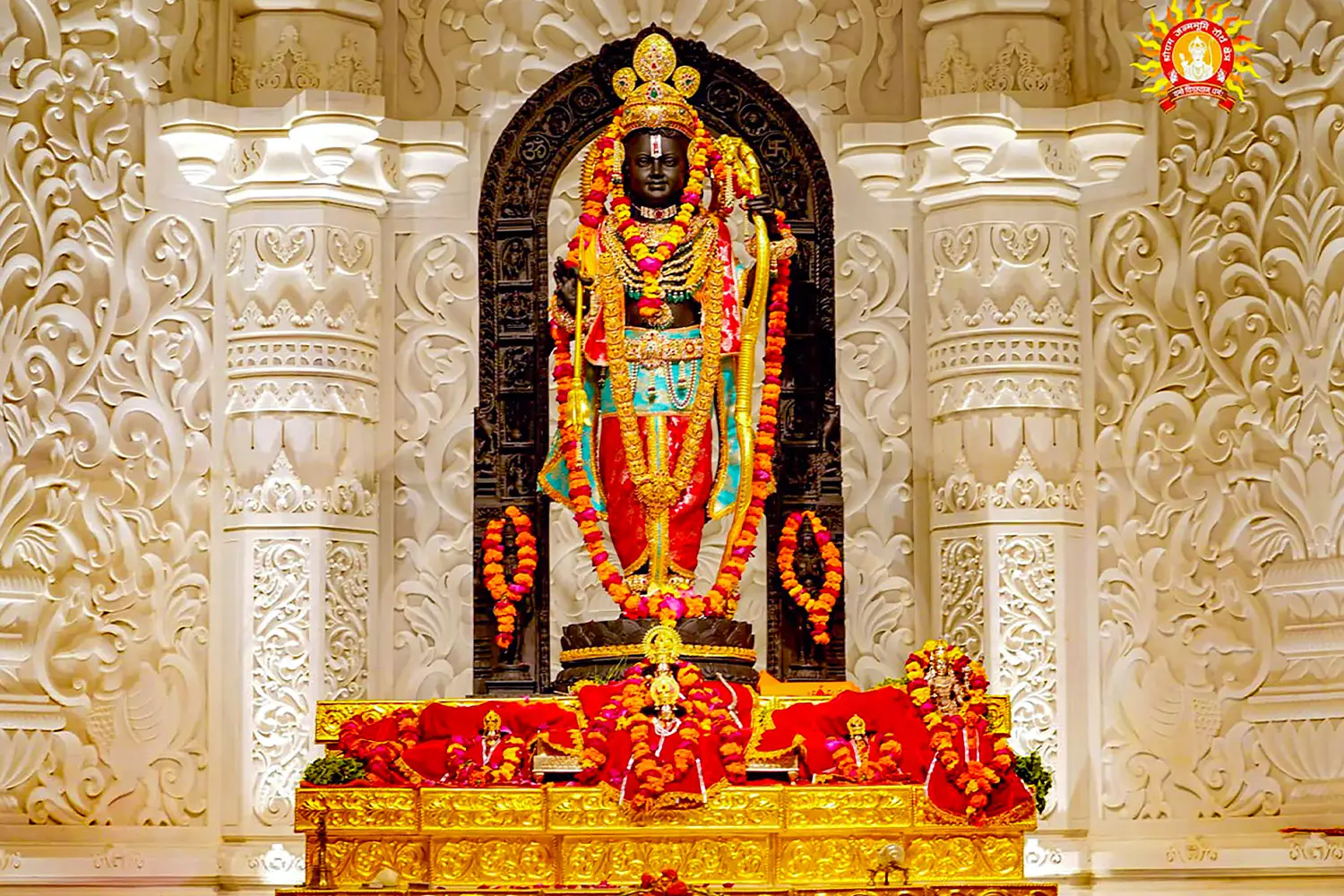
One of the most remarkable aspects of the temple is its construction method. The Ram Mandir is built primarily using sandstone, chosen for its durability, natural beauty, and spiritual significance. Notably, the construction avoids the use of steel, relying instead on interlocking stone techniques.
This method reflects ancient Indian engineering wisdom, where structures were designed to last for centuries. Stones are shaped and joined with such precision that they hold together through balance rather than force.
The choice of material also enhances the visual warmth of the temple. As sunlight moves across the structure throughout the day, the stone surfaces shift in tone, soft gold in the morning, rich amber by evening.
This attention to material integrity reinforces the timeless nature of the ram mandir ayodhya design.
Style and Influence
The ram mandir ayodhya architecture style is rooted in the Nagara style of North Indian temple architecture. Characterised by its vertical emphasis and curvilinear shikhara, this style draws the eye upward, symbolising spiritual ascent.
At the same time, influences from different historical periods of Indian temple art can be seen. From the sculptural storytelling of ancient temples to the spatial clarity of medieval design, the Ram Mandir feels both ancient and current.
What makes the style especially powerful is restraint. The temple does not overwhelm with excess. Instead, it balances grandeur with grace, allowing visitors to absorb its beauty slowly.
Visitor Experience and Visual Highlights
For visitors, the Ram Mandir is an immersive visual experience. As you walk through its spaces, the architecture guides your movement and attention. Wide steps slow your pace. Pillared halls encourage pause. Open courtyards allow light and air to flow freely.
Every angle offers a new view, a carved ceiling above, a sculpted pillar beside you, a distant glimpse of the sanctum ahead. Photography enthusiasts, architecture students, and casual visitors alike find themselves drawn into the details.
Many travelers combine their temple visit with a peaceful stay nearby. The rise of resorts in ayodhya near ram mandir allows visitors to reflect on the experience without rushing. Thoughtfully designed stays give space to absorb what the eyes and heart have witnessed.
Architecture, Art, and the Stay Experience
As Ayodhya welcomes more visitors interested in culture and design, accommodation choices have evolved. Travelers now look beyond basic lodging and search for resorts in ayodhya that align with the city’s spiritual tone.
Staying close to the temple allows visitors to return at different times of day, morning, afternoon, and evening to observe how light, shadow, and silence transform the Ram Mandir’s appearance. The architecture reveals new layers each time.
This slow engagement deepens appreciation for the artistry behind the temple.
Conclusion
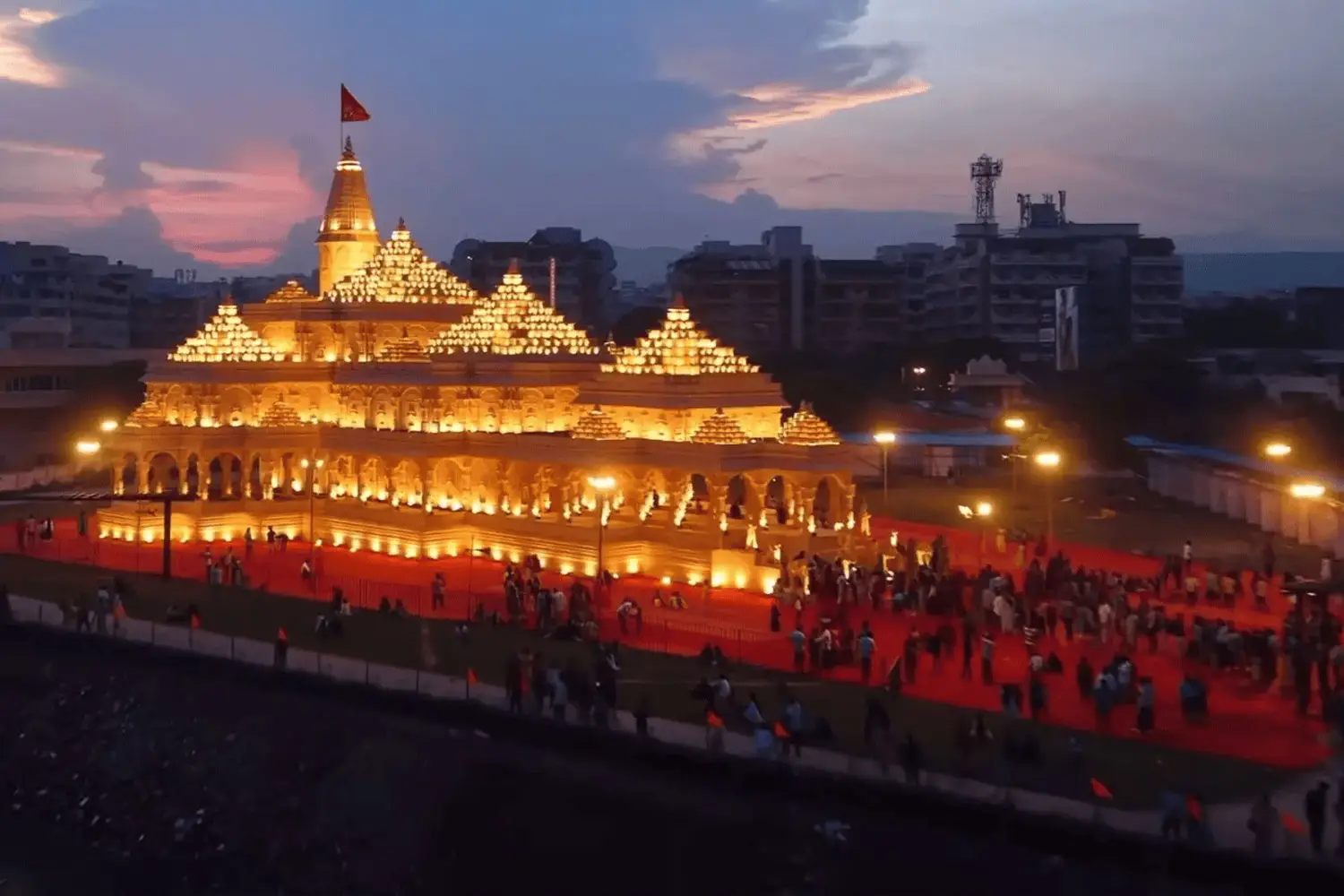
The Ram Mandir is not only a place of worship, it is a masterclass in Indian architectural and sculptural tradition. From its carefully planned structure to its deeply symbolic carvings, every element reflects devotion expressed through art.
The ram mandir ayodhya architecture stands as proof that ancient knowledge, when respected and revived, can speak powerfully to the modern world. It invites visitors to look closely, walk slowly, and feel deeply.
In stone and space, the Ram Mandir tells a story, one that continues to inspire faith, pride, and artistic wonder.
Frequently Asked Questions (FAQs)
The temple follows traditional Indian architectural principles using stone construction without steel, combined with intricate hand-carved sculptures.
The design is based on ancient architectural texts and brought to life by leading Indian architects and master artisans.
The temple features carvings of deities, mythological scenes, floral patterns, and symbolic figures rooted in Indian tradition.
It is primarily inspired by the Nagara style of North Indian temple architecture.
Yes, the temple layout allows visitors to view carvings, pillars, and sculptures up close.
The temple is built mainly using sandstone and traditional stone interlocking techniques.