Travelling from Noida to Ayodhya is a popular choice for families, pilgrims and travellers planning a short spiritual break. With smooth expressway connectivity, convenient trains from Delhi NCR and direct flights from Delhi, the journey can be planned according to time, comfort and budget. A clear route, realistic itinerary and advance bookings can make the trip easy and enjoyable.
Complete Noida to Ayodhya Travel Guide for First-Time Visitors
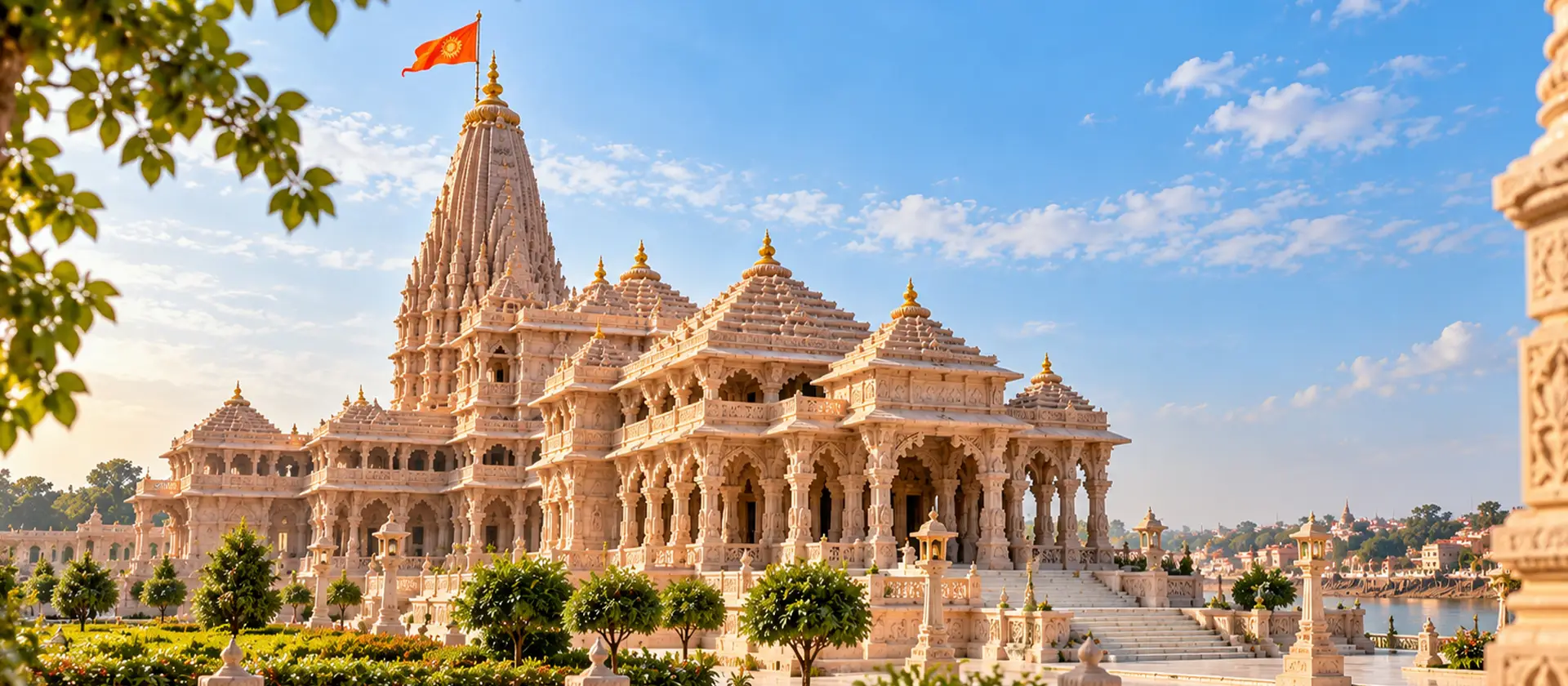
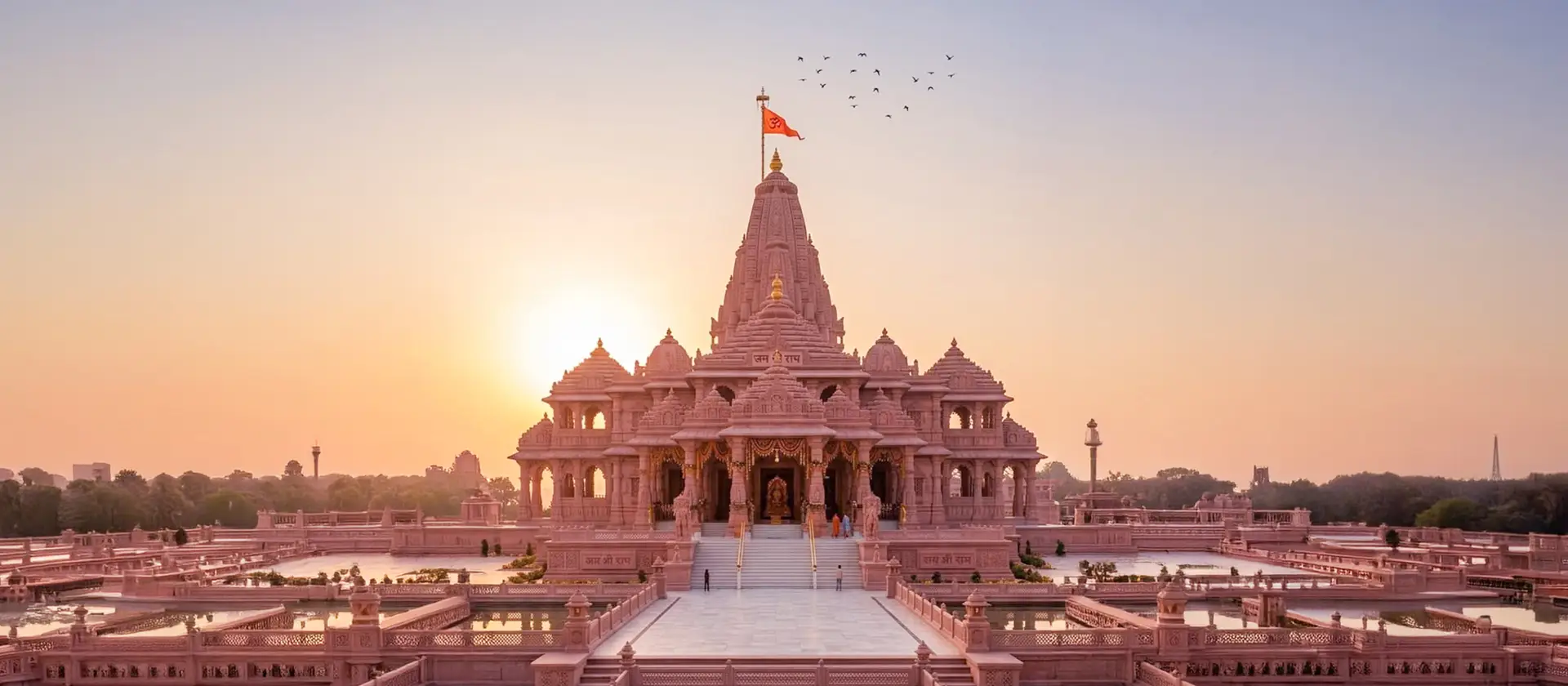
Ayodhya is known for Shri Ram Janmabhoomi Mandir, Hanuman Garhi, Kanak Bhawan, Ram Ki Paidi and several other religious and cultural landmarks. First-time visitors should ideally keep two days for the city so temple visits, local travel and rest do not feel rushed, especially during weekends and major festival periods.
Noida to Ayodhya Distance and Best Route Options
The Noida to Ayodhya distance by road is roughly 650 kilometres depending on the starting point and chosen route. A comfortable Noida to Ayodhya route generally uses the Yamuna Expressway towards Agra, followed by the Agra-Lucknow Expressway and then NH-27 towards Ayodhya. The overall drive commonly takes around nine to eleven hours with meal and rest breaks.
Travel by Road, Train, and Flight from Noida to Ayodhya
Driving is convenient for families who want flexibility. Start early to avoid NCR traffic and plan fuel, food and washroom stops along the expressways.
For rail travel, travellers from Noida can reach Anand Vihar Terminal, Delhi or other nearby stations. Current schedules include services such as Vande Bharat Express from Anand Vihar to Ayodhya Cantt, along with several overnight and daytime trains from Delhi. Journey times vary by service, so check the latest timetable and seat availability before booking.
For air travel, reach Indira Gandhi International Airport from Noida and fly to Maharishi Valmiki International Airport, Ayodhya. Direct Delhi-Ayodhya flights are currently operated by airlines including IndiGo, Air India Express and Akasa Air, with flight time around one and a half hours.
Best Time to Travel and Journey Tips
October to March generally offers more comfortable weather for temple visits and outdoor sightseeing. Summers can be hot, while monsoon travel may require additional road-time buffers.
Suggested Noida to Ayodhya Itinerary for a Memorable Trip
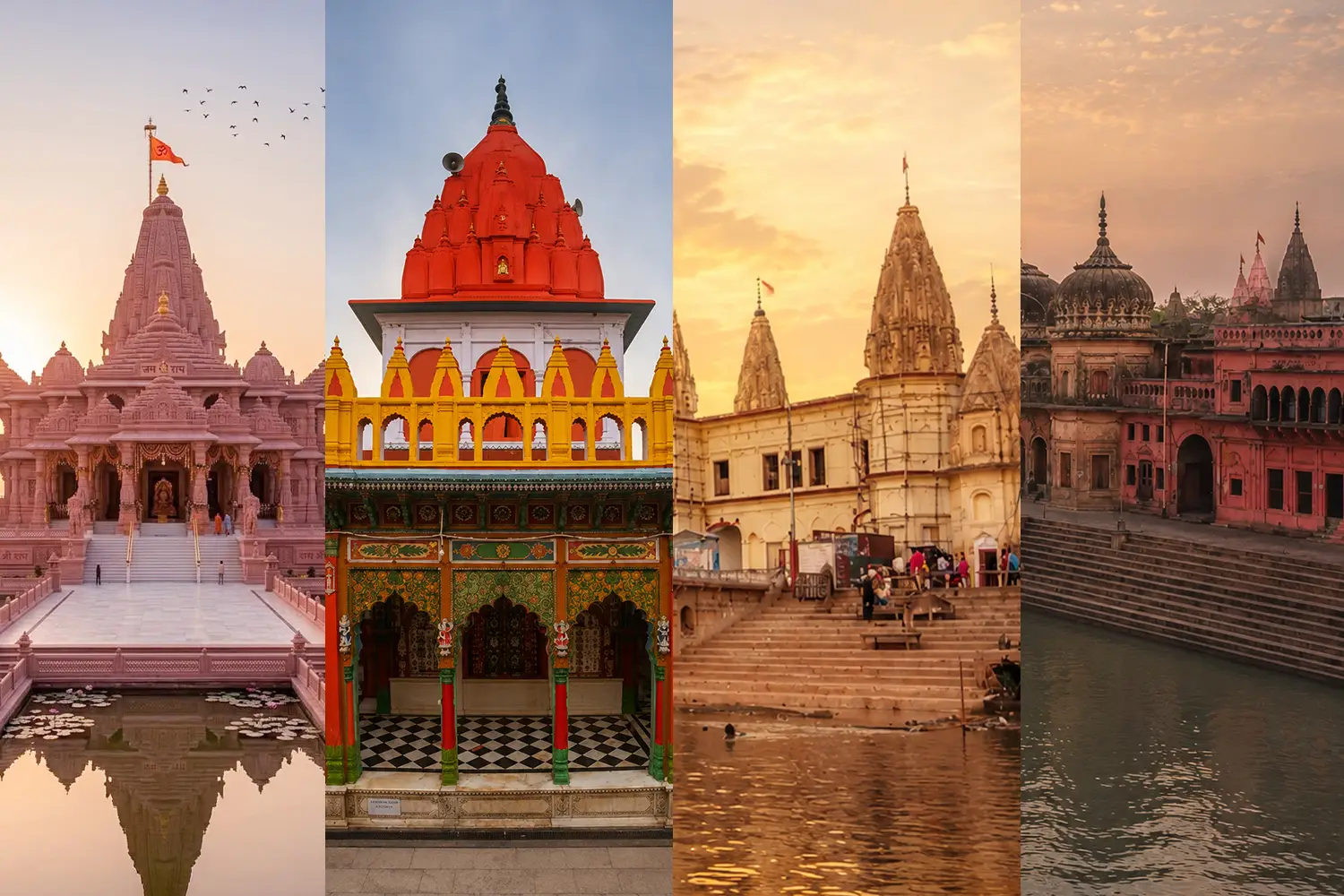
A good Noida to Ayodhya itinerary should balance darshan with rest and local exploration.
One-Day and Two-Day Ayodhya Itinerary
For one day, begin early at Shri Ram Janmabhoomi Mandir. Continue to Hanuman Garhi and Kanak Bhawan, take a lunch break, then visit Nageshwar Nath Temple and Ram Ki Paidi in the evening.
For two days, follow the main temple circuit on day one. On day two, add Guptar Ghat, Dashrath Mahal, Gulab Bari or another heritage attraction, along with local shopping and a relaxed riverside visit.
A two-day itinerary works better for families, senior citizens and travellers who prefer not to rush between locations.
Recommended Stops Along the Route
If driving, Agra or Lucknow can work as planned break points depending on your schedule. Travellers interested in extending the trip can stay overnight in Lucknow before continuing to Ayodhya the next morning.
Things to See in Ayodhya During Your Visit
There are many things to see in Ayodhya beyond the main temple. The city combines spiritual landmarks, ghats, heritage buildings and lively temple streets.
Top Tourist Attractions in Ayodhya
Shri Ram Janmabhoomi Mandir is the principal attraction and should be given enough time for security procedures and queues. Hanuman Garhi is another major devotional site, while Kanak Bhawan is known for its association with Lord Ram and Devi Sita.
Ram Ki Paidi offers a memorable Saryu riverfront experience, especially in the evening. Nageshwar Nath Temple, Guptar Ghat and Dashrath Mahal are also popular tourist attractions for visitors with additional time.
Among the best places to visit for history and culture are Gulab Bari and other heritage sites around the wider Ayodhya area. Confirm opening hours and local access conditions before travelling.
Essential Travel Tips for a Smooth Noida to Ayodhya Journey

Book transport and accommodation before peak dates. Carry government identification, comfortable footwear and only essential belongings for temple visits.
Use registered taxis, e-rickshaws or hotel-arranged transport for local travel. Keep buffer time between attractions because traffic restrictions and security arrangements may change.
Families travelling by car should avoid night driving after a full day of sightseeing. If flying, leave enough time to travel from Noida to Delhi airport. Train travellers should confirm whether their service arrives at Ayodhya Cantt or Ayodhya Dham because the stations are different. Ayodhya’s official district portal identifies both Ayodhya Cantt and Ayodhya Dham as major railway stations serving the destination.
Choose accommodation according to your itinerary rather than price alone. A comfortable hotel or resort near major attractions can reduce daily travel and make the trip more relaxing.
Conclusion
A Noida to Ayodhya journey is easy to plan when transport, route and sightseeing are organised in advance. Road travel offers flexibility, trains provide convenience and flights save time. Keep at least one full day for the main temples and preferably two days for a more relaxed experience.
With an efficient Noida to Ayodhya route, realistic itinerary and comfortable stay, travellers can enjoy the city’s spiritual landmarks, riverfront atmosphere and heritage without unnecessary rushing.
Frequently Asked Questions (FAQs)
By road, the journey is roughly 650 to 680 kilometres depending on the route. Rail distance varies by service, while the Delhi-Ayodhya air route is about 536 kilometres.
The expressway route via Yamuna Expressway, Agra-Lucknow Expressway and NH-27 is generally the most comfortable road option.
Prioritise Shri Ram Janmabhoomi Mandir, Hanuman Garhi, Kanak Bhawan, Nageshwar Nath Temple and Ram Ki Paidi.
One day covers the main spiritual attractions, while two days allow a more comfortable trip with additional heritage sites.
Start with Shri Ram Janmabhoomi Mandir, Hanuman Garhi, Kanak Bhawan, Ram Ki Paidi and Nageshwar Nath Temple.