Sugriv Parbat & Mani Parbat
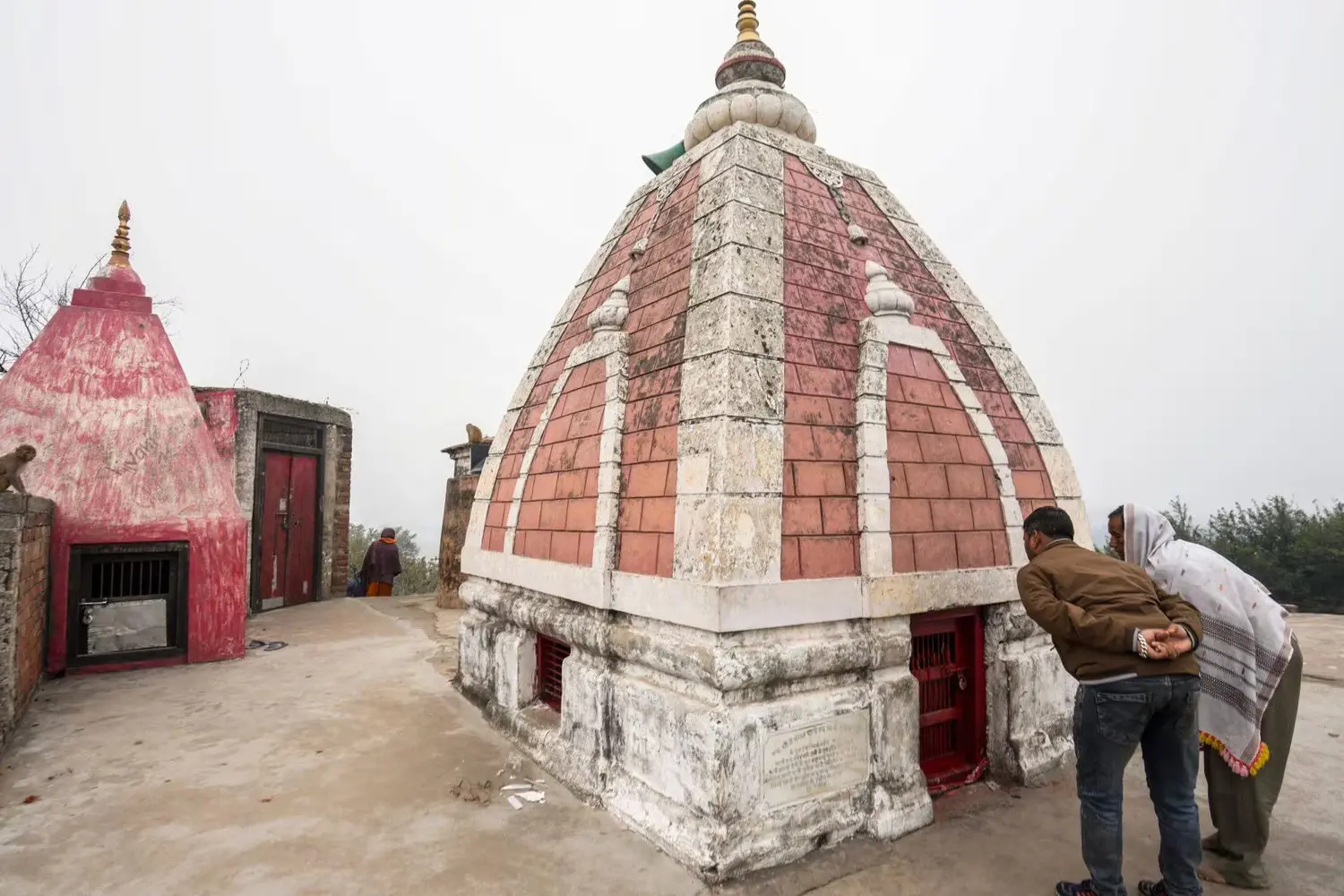
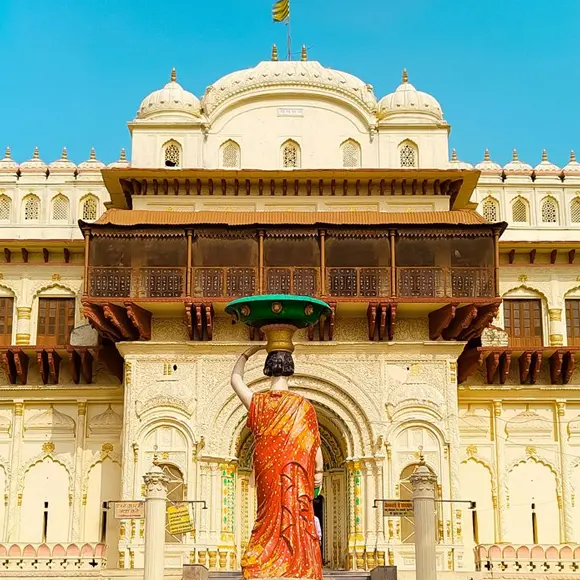
Located in the sacred city of Ayodhya in Uttar Pradesh, Mani Parbat and Sugriv Parbat are two ancient hillocks deeply connected to the legends of the Ramayana. Though modest in height, these sites hold immense religious and historical significance and remain important stops for pilgrims and visitors exploring the spiritual landscape of Ayodhya.
Mani Parbat is widely believed to be a fragment of the mountain carried by Hanuman while bringing the sacred Sanjeevani herb during the war between Rama and Ravana. Rising about 65 feet above the surrounding area, the hill offers panoramic views of the city and features temples along with a Buddhist stupa believed to have been built during the reign of Emperor Ashoka, reflecting the site’s significance in both Hindu and Buddhist traditions.
Nearby, Sugriv Parbat stands as a smaller mound, traditionally associated with Sugriv, the devoted ally of Lord Rama. Legends also suggest that sages once meditated here and that ornaments belonging to Mata Sita may have fallen in this area during the events of the epic. Today, devotees and travellers climb the hill to experience its spiritual atmosphere and historical charm.
Located close to landmarks such as Hanuman Garhi, these hillocks form an integral part of Ayodhya’s sacred geography and offer visitors a peaceful place to reflect while exploring the city’s mythological heritage.
Visitor Information
- Ideal Visit Duration: 1-2 hours
- Opening Hours: 6:00 AM – 7:00 PM (daily)
- Entry Fee: Free for all visitors
- Best Time to Visit: October to March